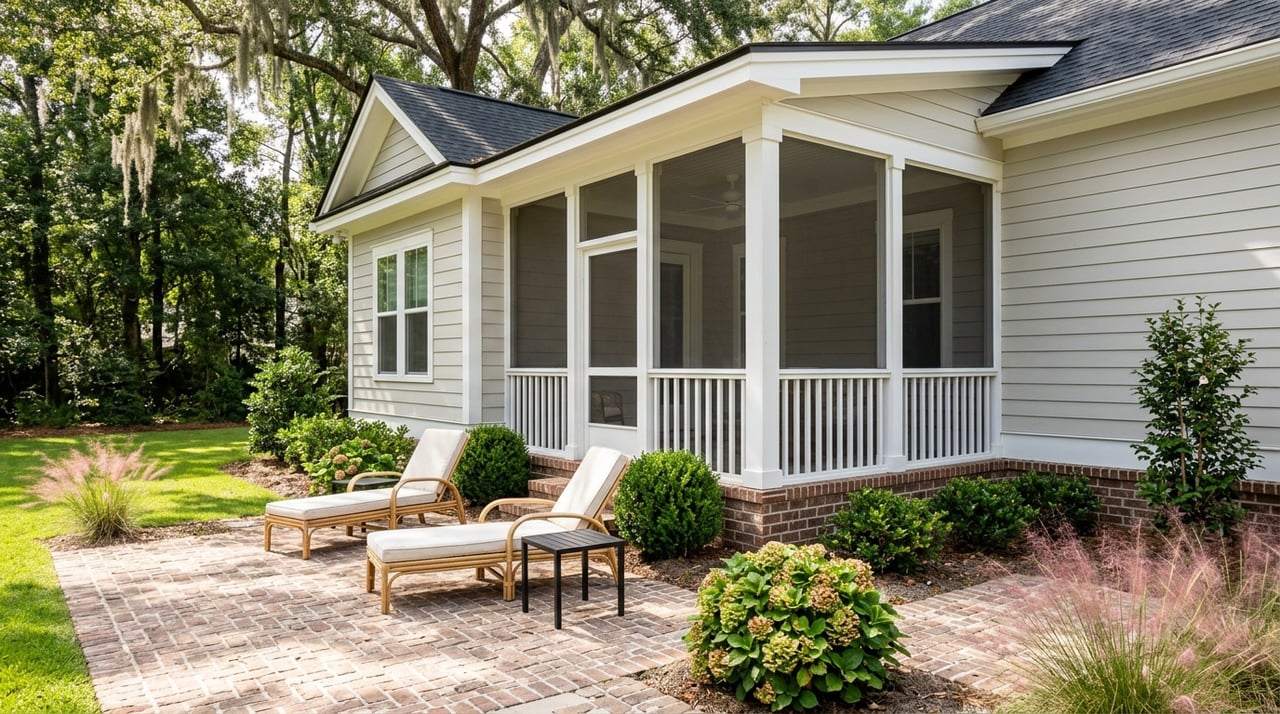
Dreaming about a place where weekends feel longer and the pace feels lighter? If you are considering a second home or getaway in Summerton, you are likely looking for more than just another property. You want a retreat that fits how you plan to spend your time, your budget, and your long-term goals. This guide will help you think through what makes Summerton appealing, what types of properties you may find, and what to verify before you buy. Let’s dive in.
Why Summerton Stands Out
Summerton offers something many small-town markets do not: close ties to a major lake destination. The Town of Summerton highlights its proximity to Lake Marion, and that matters because Lake Marion is South Carolina’s largest lake at 110,600 acres.
That setting gives you a different kind of second-home market. Instead of looking only at standard residential neighborhoods, you may be comparing a waterfront retreat, a simple fishing getaway, or a property that could support occasional rental use depending on your plans and local requirements.
Lake Marion Shapes the Lifestyle
A second home in Summerton is often about access to the lake as much as the home itself. According to South Carolina DNR’s Lake Marion overview, the area supports boating, fishing, navigation access, and shoreline habitat that draws people outdoors.
Santee Cooper also describes the lake system as one of the state’s major freshwater recreation resources, with nearby marinas, boat landings, campgrounds, and related businesses. If your ideal getaway includes getting on the water, relaxing outside, or spending time here through multiple seasons, Summerton deserves a closer look.
Year-Round Use Is Possible
South Carolina’s climate is another reason buyers consider the area for a second home. The state climatology office notes the state is known for hot summers and mild winters.
For you, that can mean more flexibility in how often you use the home. The lake lifestyle will likely feel busiest from late spring through early fall, but the broader climate pattern supports year-round ownership and visits.
Property Types You May Find
One of Summerton’s biggest advantages is variety. Current market inventory in the area commonly includes waterfront homes, vacant land, and manufactured or mobile homes, which points to a wider range of options than you might see in a more traditional suburban market.
That variety can be helpful if you are still deciding what kind of second home makes sense for you. Your best option depends on whether you want immediate use, lower upkeep, future building potential, or a lower entry point.
Waterfront Homes
If you want a property you can start enjoying right away, a waterfront home may be the most direct fit. Current Summerton waterfront listings show that buyers can find lake-oriented homes in this market.
This type of property may work well if your priority is views, water access, and easy weekend use. It can also simplify your search if you prefer a finished home over a land purchase and future construction process.
Vacant Lots and Land
Land can be appealing if you want to build a custom getaway over time. A lot may offer flexibility, but it also calls for more planning up front.
Clarendon County notes that buyers should review zoning and subdivision rules before buying, selling, dividing, or developing property. If you are thinking about a future build, you will want to confirm what is allowed and what utilities, stormwater, flood, and development requirements may apply.
Manufactured Homes and Smaller Getaways
For some buyers, a smaller cottage or manufactured home may create a more affordable path into the lake-area market. That can be especially attractive if your goal is a simple place to stay for weekends, fishing trips, or seasonal visits.
At the same time, these properties usually require careful due diligence. Clarendon County states that moving a manufactured home requires zoning certification and a permit, so it is important to verify compliance early if that property type is part of your search.
Match the Property to Your Goal
Before you get too deep into listings, narrow your reason for buying. That decision shapes nearly every other part of your search.
Ask yourself:
- Do you want a personal retreat only?
- Do you want a place for frequent weekend trips?
- Are you considering occasional short-term rental use?
- Do you want a finished home or land for a future build?
- How much maintenance are you comfortable handling between visits?
A clear goal helps you avoid buying a property that looks great online but does not fit how you actually plan to use it.
Costs to Plan for Carefully
Second homes come with a different cost structure than a primary residence. In South Carolina, that starts with property taxes.
The South Carolina Department of Revenue says a second home or vacation home is assessed at 6% of fair market value, while a primary residence is assessed at 4%. Your actual bill will still depend on local millage, but the assessment ratio is an important part of your annual budget.
You should also think beyond the mortgage payment. A lake-area getaway may involve insurance, utilities, upkeep, lawn care, pest control, and periodic repairs when the home sits vacant between visits.
Furnishing Costs Add Up
If you are buying a second home, there is a good chance you will spend more after closing than you expect. Furniture, appliances, kitchen basics, outdoor gear, and household items can quickly become a major part of the overall investment.
That matters because Clarendon County’s total sales tax rate is 7% as of July 1, 2025. If you are furnishing a home from scratch, that added cost is worth factoring into your budget early.
If You May Rent It Out
Some buyers want a getaway that can also produce occasional income. If that is part of your plan, make sure you understand the tax and compliance side before you move forward.
The South Carolina Department of Revenue accommodations tax guidance explains that rentals to guests for fewer than 90 consecutive days are subject to state accommodations tax, and local taxes may also apply depending on the jurisdiction. The state also notes that owners may need an accommodations tax license, although responsibility for remitting taxes can shift if a property manager or booking platform handles the reservation.
That does not mean rental use is off the table. It simply means your purchase decision should reflect whether the property is for private enjoyment, part-time rental use, or both.
Flood, Zoning, and Utility Checks Matter
In a lake-area market, due diligence matters just as much as location. Waterfront and low-lying property can come with extra questions that should be answered before closing.
The FEMA Flood Map Service Center notes that flood insurance may be needed even when a property is not in a high-risk zone. Clarendon County also includes flood damage prevention regulations within its development rules, which is another reason to review flood exposure early in the process.
The county’s planning and zoning department says its Unified Development Code covers zoning, subdivision rules, building codes, erosion control, stormwater management, flood damage prevention, and public water and sewer regulations. If you are looking at land, older homes, or manufactured housing, these details can affect what you can do with the property and what it may cost to get it ready for use.
A Smart Buyer Checklist
If you are serious about buying a second home in Summerton, keep your evaluation practical. A beautiful setting is important, but so is knowing exactly what you are buying.
Use this checklist as a starting point:
- Define whether the home is for personal use, rental use, or both
- Confirm the property type: waterfront home, lot, or manufactured home
- Review zoning and subdivision requirements with the county
- Check flood maps and ask about insurance requirements
- Verify utility access, septic considerations, and water or sewer service
- Estimate full annual carrying costs, not just the purchase price
- Budget for furnishing and setup costs after closing
- Understand tax treatment for a second home versus a primary residence
Why Local Guidance Helps
A second-home purchase can look simple at first, especially when the setting is attractive and the property seems to fit your lifestyle. But in a market like Summerton, the details matter. Zoning, flood considerations, tax treatment, and long-term upkeep all shape whether the property feels like a smart purchase after the excitement wears off.
Working with a local real estate professional can help you compare options more clearly and spot issues earlier. That is especially valuable when you are choosing between very different property types in the same market.
If you are exploring a second home or getaway in Summerton, Debbie Bowen can help you sort through your options with local insight and practical guidance.
FAQs
What makes Summerton appealing for a second home?
- Summerton offers close access to Lake Marion, a major recreation resource known for boating, fishing, and year-round outdoor appeal.
What property types can you find in the Summerton second-home market?
- Buyers are likely to see a mix of waterfront homes, vacant lots, and manufactured or mobile homes, which creates a range of price points and ownership styles.
How are second homes taxed in South Carolina?
- South Carolina assesses a second home or vacation home at 6% of fair market value, compared with 4% for a qualifying primary residence, with actual tax bills also affected by local millage.
What should you check before buying waterfront or lake-area property in Summerton?
- You should review flood maps, insurance needs, zoning, subdivision rules, utility access, and any county development requirements before closing.
Can you use a Summerton getaway as a short-term rental?
- Potentially, but rentals of fewer than 90 consecutive days may be subject to South Carolina accommodations tax and possible local taxes or licensing requirements.
Why is local due diligence important when buying land or a manufactured home in Summerton?
- Clarendon County requires buyers to review zoning and development rules, and manufactured homes may need zoning certification and permits, which makes early verification important.