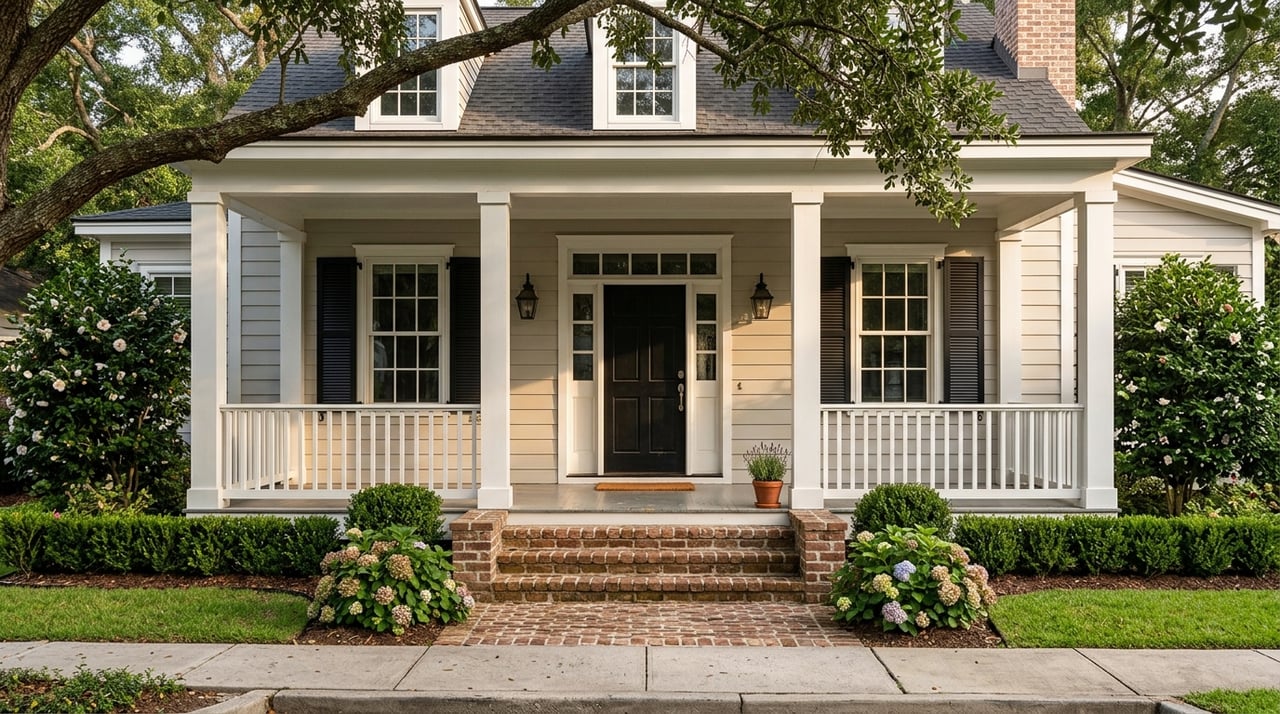
Wondering whether downtown Columbia or the suburbs would fit your daily life better? It is a common question, especially if you are balancing commute time, home style, outdoor access, and how you want your week to feel. The good news is that both options offer real advantages, and the right choice usually comes down to your routine, priorities, and pace of life. Let’s break down the tradeoffs so you can see what fits you best.
Downtown Columbia at a Glance
Downtown Columbia is a compact urban core that stretches from Elmwood Avenue to the north, Catawba Street to the south, Pickens Street to the east, and the Congaree River to the west. The city says thousands of housing units have been built downtown in recent years, which reflects how much the area has grown and changed. If you want a more connected, mixed-use setting, downtown is the clearest example of that in the Columbia area.
The city has also made walkability and biking part of its identity. Columbia holds both a Bronze Bicycle Friendly Community designation and a Bronze Walk Friendly Community designation. In fact, it is the only community in South Carolina with a Walk Friendly designation at any level, which is a strong signal for buyers who want more everyday mobility.
Suburban Columbia at a Glance
The suburban side of Columbia offers a different kind of rhythm. Richland County is less dense than the City of Columbia overall, which helps explain why suburban areas often feel more spread out and more car-oriented. For many buyers, that translates to more space, a quieter daily pattern, and homes that are more likely to include yards and detached layouts.
Research also points to a stronger ownership pattern in the county overall. Richland County has a higher owner-occupied housing rate than the City of Columbia, at 60.3 percent compared with 45.5 percent. Countywide median owner-occupied home values are also slightly lower than the city overall, at $242,800 compared with $264,300.
Walkability and Daily Convenience
Downtown favors short trips
If you like the idea of walking to dinner, running a quick errand without getting in the car, or having more than one transportation option, downtown has the edge. The city’s planning materials describe the pedestrian realm as central to a connected, safe, and comfortable environment. That focus shows up in how downtown is designed and how people move through it.
The COMET also supports that lifestyle with downtown-focused service. Its network includes 47 fixed routes, plus ReFlex service, vanpool, DART, and the Soda Cap Connector for downtown Columbia. Current service connects key downtown destinations like Main Street, the Vista, UofSC, Segra Park, and nearby districts.
Suburbs favor driving routines
In the suburbs, you can still access transit in some corridors, including areas like Harbison, Garners Ferry, and West Columbia. Still, the overall lifestyle tends to revolve more around driving from place to place. That is not necessarily a drawback if you prefer space and do not mind spending more time behind the wheel.
The Census Bureau reports a mean travel time to work of 17.7 minutes in Columbia city versus 23.1 minutes in Richland County. That does not define every household’s commute, but it does suggest that city living may support shorter daily trips on average. If efficiency matters to you, that difference is worth thinking about.
Housing Style and Neighborhood Feel
Downtown leans urban and mixed-use
Downtown Columbia’s official planning language describes a mixed-use urban core with continued housing growth and updated design standards. Areas like the Vista are framed as places for commercial, residential, shopping, dining, and cultural activity in one setting. In practical terms, that points to a more urban housing experience near the core.
If you picture your ideal home near restaurants, shops, and entertainment, downtown may line up with that vision. The tradeoff is that housing there is more likely to feel connected to the street grid and surrounding activity. You may gain convenience and energy, but with less of the lot-oriented feel common in suburban neighborhoods.
Suburbs lean toward space and ownership
Suburban areas around Columbia often emphasize residential character, shopping districts, lake communities, and a more spread-out home pattern. Places like Irmo and the Lake Murray area, Northeast Columbia, Forest Acres, and West Columbia each offer their own mix of housing and amenities. The common thread is that the lifestyle is generally more yard-oriented and detached-home focused.
That can be appealing if you want more breathing room or if homeownership style matters to you. It can also suit buyers who want a routine centered more around home and neighborhood than around downtown activity. As always, price point and housing type can still vary by area.
Outdoor Access and Weekend Plans
Downtown offers quick riverfront access
One of downtown Columbia’s biggest outdoor perks is its connection to the riverfront park system. Riverfront Park spans about 167 acres and includes a three-mile linear trail, while Granby Park was the first completed section of the Three Rivers Greenway. If you enjoy a quick walk, jog, or bike ride close to the urban core, that kind of access can shape your weekly routine in a big way.
There is one practical note to keep in mind. City notices from 2025 to 2026 show that parts of Riverfront Park have been under construction or temporary closure, so access can change. Even so, downtown still stands out for having outdoor space tied closely to everyday living.
Suburbs offer larger destination greenspaces
The suburbs trade daily riverfront proximity for larger, more destination-based outdoor options. Harbison State Forest includes 2,176 acres and more than 30 miles of roads and trails about nine miles from downtown. Sesquicentennial State Park adds 1,419 acres and 12 miles of hiking and biking trails in northeast Columbia.
Then there is Lake Murray, which brings a very different lifestyle pattern. The lake spans 50,000 acres with roughly 650 miles of shoreline and strongly shapes life in the Irmo and Chapin area. If your idea of outdoor time is a planned lake day, boating trip, or larger park outing, the suburbs may feel like a better fit.
Dining, Entertainment, and Social Rhythm
Downtown supports spontaneity
Downtown Columbia is the strongest choice if you want activity concentrated in one area. Main Street is described as the cultural and social heart of downtown, where history, art, dining, and nightlife come together. The Vista is also presented as one of the city’s most vibrant arts, dining, and entertainment districts, with more than 45 restaurants and bars and 60 galleries and specialty shops.
Soda City Market adds another layer to that downtown lifestyle. On Saturday mornings, Main Street becomes a walkable market corridor that creates a regular local ritual for many residents. That kind of built-in energy is hard to match in a more spread-out setting.
Suburbs spread activities out
Suburban Columbia still offers plenty to do, but the experience is more distributed. In Irmo and the Lake Murray area, you will find lake recreation, Columbiana Centre, Columbiana Grande Movie Theatre, Harbison Theatre, and local restaurants. Northeast Columbia includes The Village at Sandhill and an international food corridor, while West Columbia offers State Street dining, the Riverwalk, brewpubs, and antiques.
Forest Acres is also described as a close-in area with restaurants, shops, and daily errands nearby. In most suburban settings, though, the routine is more about driving between stops than walking from one spot to the next. For some people, that feels easy and comfortable. For others, it feels less spontaneous.
Which Lifestyle Fits You Best?
Choosing between downtown Columbia and the suburbs is really about how you want your days to work. If you value walkability, shorter average commute times, mixed-use surroundings, and easy access to dining and entertainment, downtown may check more of your boxes. It can be a strong match if you want your home base to keep you close to the action.
If you value more space, a higher likelihood of detached housing, stronger ownership patterns, and outdoor time built around larger parks or lake outings, the suburbs may be a better match. That lifestyle often works well for buyers who prefer a quieter home-centered routine and do not mind driving more often.
There is no one-size-fits-all answer in Columbia. The best move is to compare your must-haves with the way each area functions day to day. If you are planning a move in the Columbia corridor and want local guidance that keeps your goals front and center, Debbie Bowen can help you sort through the options and move forward with confidence.
FAQs
Is downtown Columbia only about nightlife?
- No. Downtown is also framed around markets, museums, riverfront parks, and everyday services, not just evening entertainment.
Can you live in downtown Columbia without a car?
- Often, yes for short trips. Downtown is Columbia’s most walk- and transit-supportive environment, though the larger metro area is still more car-reliant overall.
Do Columbia suburbs usually feel more spread out?
- Yes. Richland County is less dense than the City of Columbia, which supports a more spread-out and drive-oriented lifestyle pattern.
Does downtown Columbia usually have shorter commutes?
- On average, the Census Bureau reports a mean travel time to work of 17.7 minutes in Columbia city compared with 23.1 minutes in Richland County.
What kind of outdoor access do Columbia suburbs offer?
- Suburban areas offer access to larger destination greenspaces like Harbison State Forest, Sesquicentennial State Park, and Lake Murray.
What kind of housing feel does downtown Columbia have?
- Downtown is described as a mixed-use urban core with continued housing growth, so the housing experience is generally more urban than lot-oriented suburban areas.