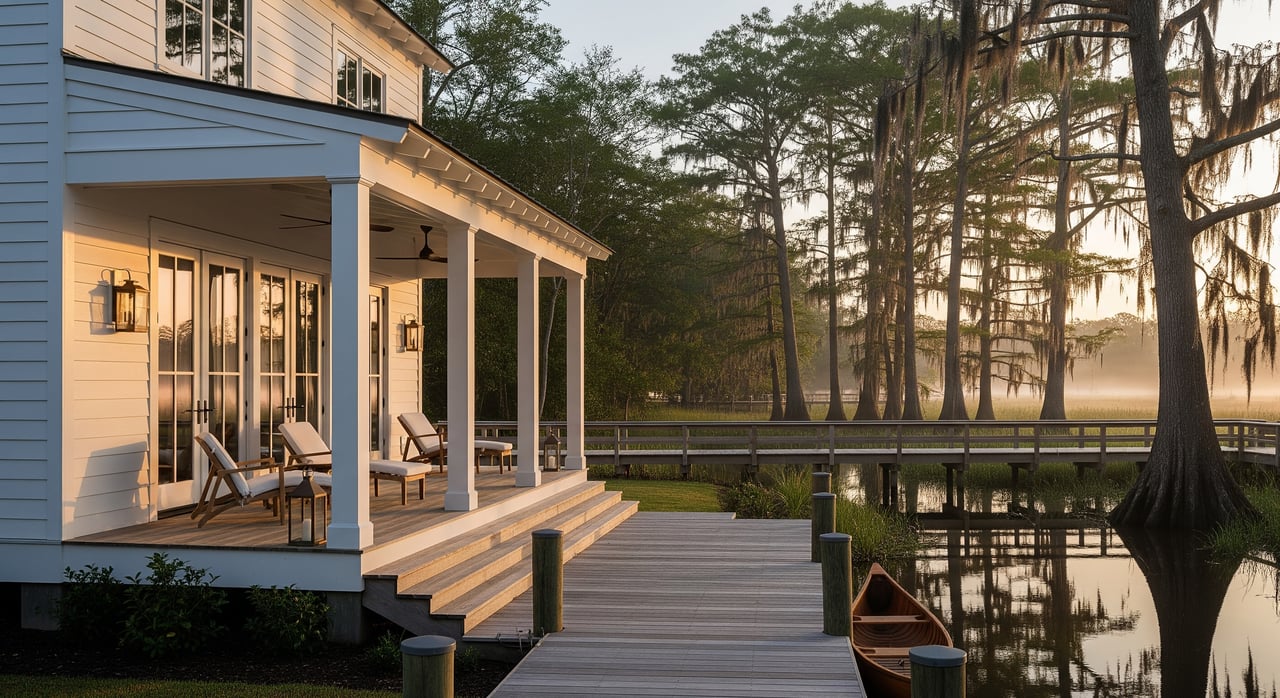
Looking for a quiet base near Columbia with a national park next door? If you want room to breathe, easy outdoor time, and a practical commute, Hopkins in Richland County is worth a closer look. You get a low-key, rural feel with quick access to Congaree National Park and the conveniences of the Columbia metro. In this guide, you’ll learn what daily life feels like, how long it typically takes to get into the city, what kinds of homes you’ll find, and the key checks to make before you buy. Let’s dive in.
Where Hopkins sits and how it feels
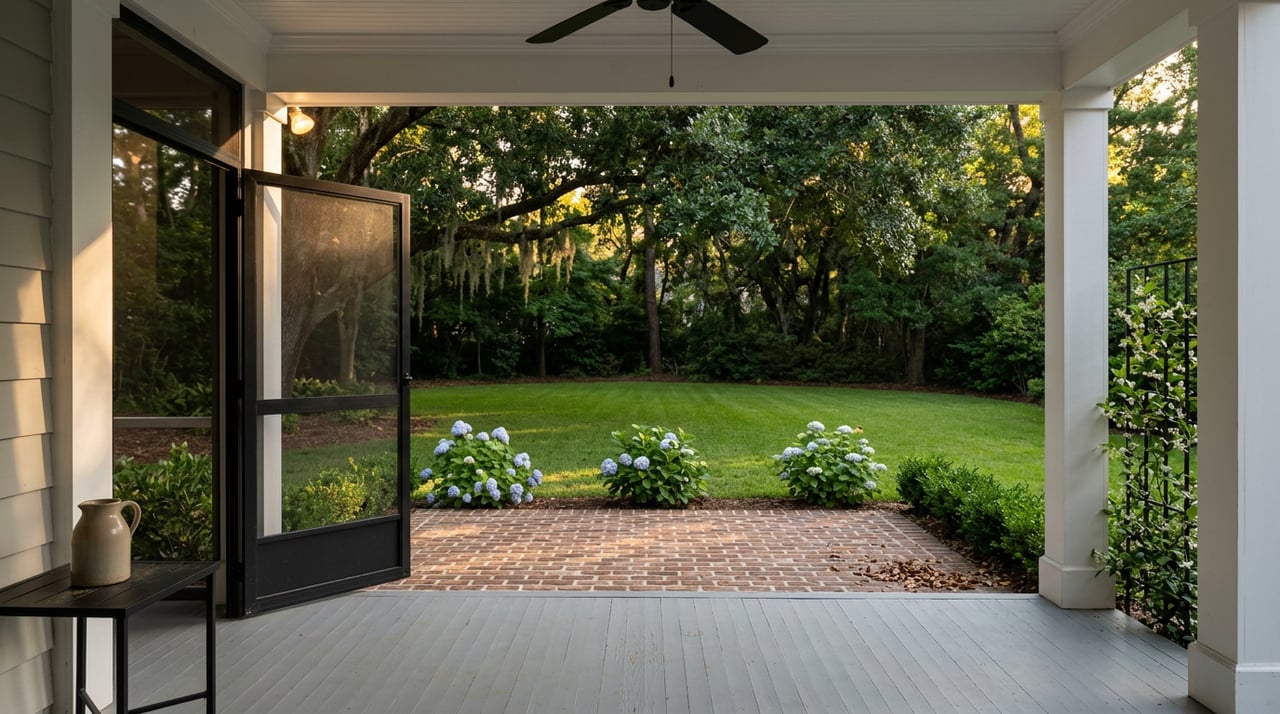
Hopkins is an unincorporated community on the southeastern side of the Columbia, SC area. It sits near the Congaree River floodplain, which shapes the landscape into lowland forests, wetlands, and open, green spaces. The setting feels quiet and natural compared to in-town neighborhoods.
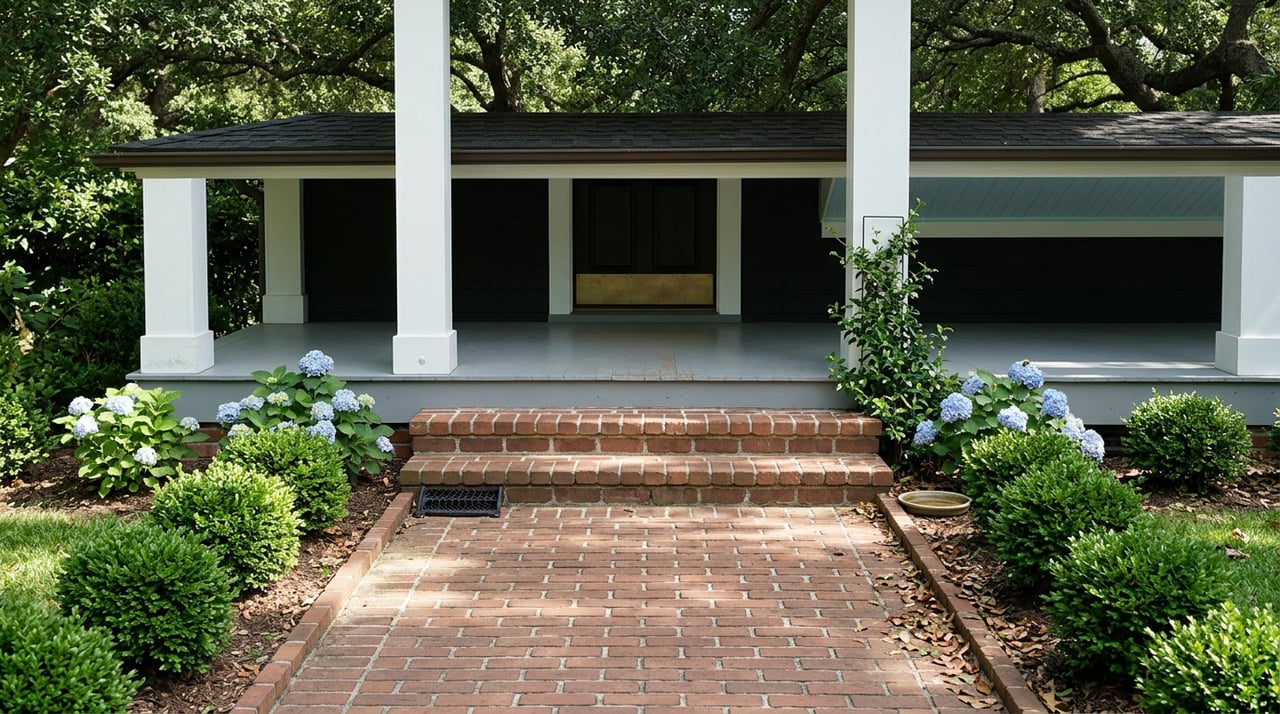
Housing is mostly low-density. You’ll see single-family homes on moderate to large lots, small subdivisions, and clusters of manufactured homes. Some properties offer acreage or river-adjacent settings. If you want a slower pace and good access to nature without being far from city jobs and services, Hopkins often checks the boxes.
Everyday access to Congaree National Park
Congaree National Park preserves one of the largest remaining old-growth bottomland hardwood forests in the Southeast. Popular activities include the boardwalk and backcountry hiking trails, paddling on Cedar Creek and the Congaree, birdwatching, ranger-led programs, and primitive/backcountry camping. Seasonal flooding is part of the park’s natural cycle, so conditions can change.
Many Hopkins residents can reach the park’s visitor center, boardwalk, and trailheads in a short drive. The proximity makes it easy to pop over after work or on a Saturday morning. If you value spontaneous hikes, paddle trips, or nature walks, living in Hopkins turns the park into your regular backyard outing.
What proximity means for your routine
- Quick trips for hiking the boardwalk or a short nature loop.
- Weeknight or weekend paddles if you have a canoe or kayak.
- Easy access to ranger talks, guided programs, and seasonal events.
Smart planning tips near the floodplain
Living close to a major river and wetlands brings unique considerations:
- Check FEMA flood maps for any property you’re considering and ask for elevation certificates where applicable.
- Budget for flood insurance if a lender requires it based on the property’s flood zone.
- Expect occasional wildlife sightings. Fencing, secure trash storage, and native vegetation management can help you balance habitat and home use.
Commuting to Columbia from Hopkins
Driving is the primary way most Hopkins residents get to work in Columbia. Typical commutes to downtown can fall in the 20 to 30 minute range depending on your exact start and end points and the time of day. Your route and timing matter, so it’s smart to test-drive your commute during the hours you plan to travel.
Public transit in smaller, rural communities is often limited. Check regional bus options to see if any routes or park-and-ride choices fit your schedule. Many commuters in the area also use carpooling or telework to keep drive time down a few days a week.
Roads and routing
- Map the main arterial routes between your Hopkins address and your job location.
- Look for any ongoing construction or seasonal projects that may affect drive times.
- Use real-time mapping for a few days to learn timing patterns in both directions.
Parking and downtown access
If you work near the university, hospital complexes, state offices, or downtown core, confirm parking availability and employer benefits before you finalize a plan. Some workplaces offer on-site parking or incentives that can reduce overall commuting costs.
Homes and neighborhoods you will find
Hopkins offers a variety of home types:
- Single-family detached homes from several eras, including older ranches, 1990s–2000s builds, and some newer infill.
- Manufactured or modular homes in smaller clusters.
- Acreage and occasional river-adjacent properties for buyers seeking more land.
- Limited multi-family choices compared with in-town Columbia.
This mix appeals to buyers who want more space and a quieter setting. You’ll find everything from modest starter homes to larger-lot properties with room for hobbies or a small workshop.
What drives pricing
Home values vary based on several factors:
- Lot size and usable acreage.
- Flood risk and flood zone status.
- Proximity to parkland or waterways.
- Age, renovation level, and overall condition.
- Utilities and systems: septic versus municipal sewer, well versus municipal water.
Because markets move quickly, rely on current MLS data to understand exact ranges and recent sold prices. Ask your agent to pull a fresh set of comparable sales and active listings specific to your budget and wish list.
Ownership and utilities checklist
If you are shopping in Hopkins, keep these checks front and center:
- Sewer or septic: Confirm the system type, age, permits, and recent service records.
- Water source: Verify municipal water availability or review well details and testing.
- Flood insurance: If the home sits in a Special Flood Hazard Area, a lender may require a separate flood policy. Request any available elevation certificates.
- Property records: Review assessed value history and parcel details through county resources.
Daily needs, schools, and services
Hopkins residents usually combine local stops with trips into Columbia for larger shopping, specialty medical care, and entertainment. Identify your closest grocery stores, pharmacies, and urgent care options early so the weekly routine is simple.
Schools in Hopkins fall under Richland County attendance zones. Boundaries can shift, so confirm your address assignment with the district and review state education resources for neutral, data-based information. For any home, verify the school pathway and available transportation options directly with the district.
Emergency services, fire district coverage, and the distance to the nearest hospital are also worth noting during your search, especially if you plan to live on acreage or a private road.
Who Hopkins fits best
Hopkins tends to attract buyers who want a quieter setting without a long daily haul into the city. You may be a good match if you:
- Prefer an outdoors-forward lifestyle with quick park access.
- Want more space or acreage and a lower-density feel.
- Are comfortable driving for work or services and do not rely on frequent public transit.
Pros to consider: easy access to Congaree National Park, rural character with larger lots, and potential affordability compared with closer-in Columbia neighborhoods. Tradeoffs include floodplain diligence, fewer walkable retail options, limited transit coverage, and variable utility infrastructure.
Buyer checklist for Hopkins
Use this quick list to stay organized:
- Confirm FEMA flood zone status and ask about past flood claims for the property.
- Verify sewer and water type; inspect septic and well systems where applicable.
- Request any recent elevation certificate if the parcel lies in a Special Flood Hazard Area.
- Test your commute during typical travel hours.
- Check access roads for year-round usability and maintenance responsibilities.
- Ask about any conservation easements, wetland buffers, or restrictions on properties near riparian corridors or park edges.
Making a move with local help
A smooth Hopkins purchase starts with the right guidance, clear data, and a plan for due diligence. If you want a rural feel, easy park days, and a manageable commute, this area can be a great fit. A local, responsive team can help you compare homes, read parcel maps, evaluate flood considerations, and line up inspections so you make a confident, informed choice.
If Hopkins is on your short list, connect with a trusted neighborhood-focused broker for next steps. Reach out to Debbie Bowen for local insight, current MLS data, and a stress-reducing plan tailored to your move.
FAQs
How close is Hopkins to Congaree National Park?
- Many residents reach the visitor center and boardwalk in a short drive, often within single-digit to low double-digit minutes depending on the exact address and route.
Is commuting from Hopkins to Columbia reasonable?
- Yes. Most commuters drive and see roughly 20 to 30 minute travel times depending on endpoints and traffic. Always test your route at your typical commute hours.
Are homes in Hopkins at higher flood risk?
- Properties near the river and floodplain face higher risk. Check FEMA flood maps, review elevation certificates, and discuss flood insurance requirements with your lender and agent.
What types of homes are common in Hopkins?
- You’ll find single-family homes across several eras, manufactured homes in clusters, and some acreage or river-adjacent options. Multi-family choices are more limited than in urban Columbia.
How are schools assigned in Hopkins?
- School attendance is set by district boundaries that can change over time. Confirm your specific address assignment with the district and review state education resources for data.
What should I verify about utilities before buying?
- Confirm whether the home uses septic or municipal sewer, and well or municipal water. Review permits, ages, and maintenance records, and factor any upgrades into your budget.